
10 Ways an Excavating Contractor Ensures a Strong Foundation
When it comes to building anything that’s meant to last, the foundation quietly does all the heavy lifting. It’s the part most people never see, but everything depends on it. A skilled excavating contractor plays a major role in making sure that the base is solid, stable, and ready for whatever structure comes next. From soil preparation to drainage planning, the early stages of construction are where long-term success is really decided. Without careful excavation work, even the most well-designed projects can run into problems down the line. This is where experience, planning, and attention to detail come together to shape something dependable from the ground up.
1. Site Evaluation and Ground Assessment Planning
An excavating contractor starts by taking a close look at the site conditions before any digging begins. This includes evaluating soil type, slope, moisture levels, and any potential obstacles beneath the surface. The excavating contractor uses this information to determine how the ground will behave under load and what adjustments may be needed. Some soils require reinforcement, while others need careful grading to prevent shifting. By understanding the land first, the excavating contractor helps prevent issues that could compromise structural stability later on. This early step sets the tone for the entire project and reduces surprises during construction.
2. Precision Grading for Structural Stability
Grading is one of the most important steps in foundation preparation. An excavating contractor carefully shapes the land, so water flows away from the structure rather than toward it. The excavating contractor also ensures that the surface is level where needed and properly sloped where drainage is required. This balance helps prevent erosion, settling, and uneven pressure on the foundation. When grading is done correctly, it creates a stable platform that supports everything built above it. Even small inconsistencies in grading can lead to larger structural concerns over time. Proper grading also helps prepare the site for the next stages of construction, ensuring a smoother overall building process.
3. Soil Compaction and Load-Bearing Preparation
Loose soil can create major issues if it is not properly compacted before construction begins. An excavating contractor uses specialized equipment to compress soil and increase its density, helping it better support structural weight. The excavating contractor ensures that each layer of soil is compacted evenly to avoid weak points. This process improves load distribution and reduces the risk of settling after construction is complete. Proper compaction also helps maintain long-term foundation integrity, especially in areas with shifting or unstable ground conditions.
4. Drainage System Integration and Water Management
Water is one of the biggest threats to any foundation, which is why drainage planning is essential. An excavating contractor designs excavation work with water flow in mind, ensuring that excess moisture is directed away from the structure. The excavating contractor may incorporate grading, trenching, or drainage channels, depending on the site. These systems help prevent pooling, erosion, and hydrostatic pressure buildup. Good water management protects the foundation from long-term damage and helps maintain structural stability through changing weather conditions. It also reduces the likelihood of moisture-related issues that can compromise the surrounding soil over time.
5. Utility Tracking and Structural Coordination
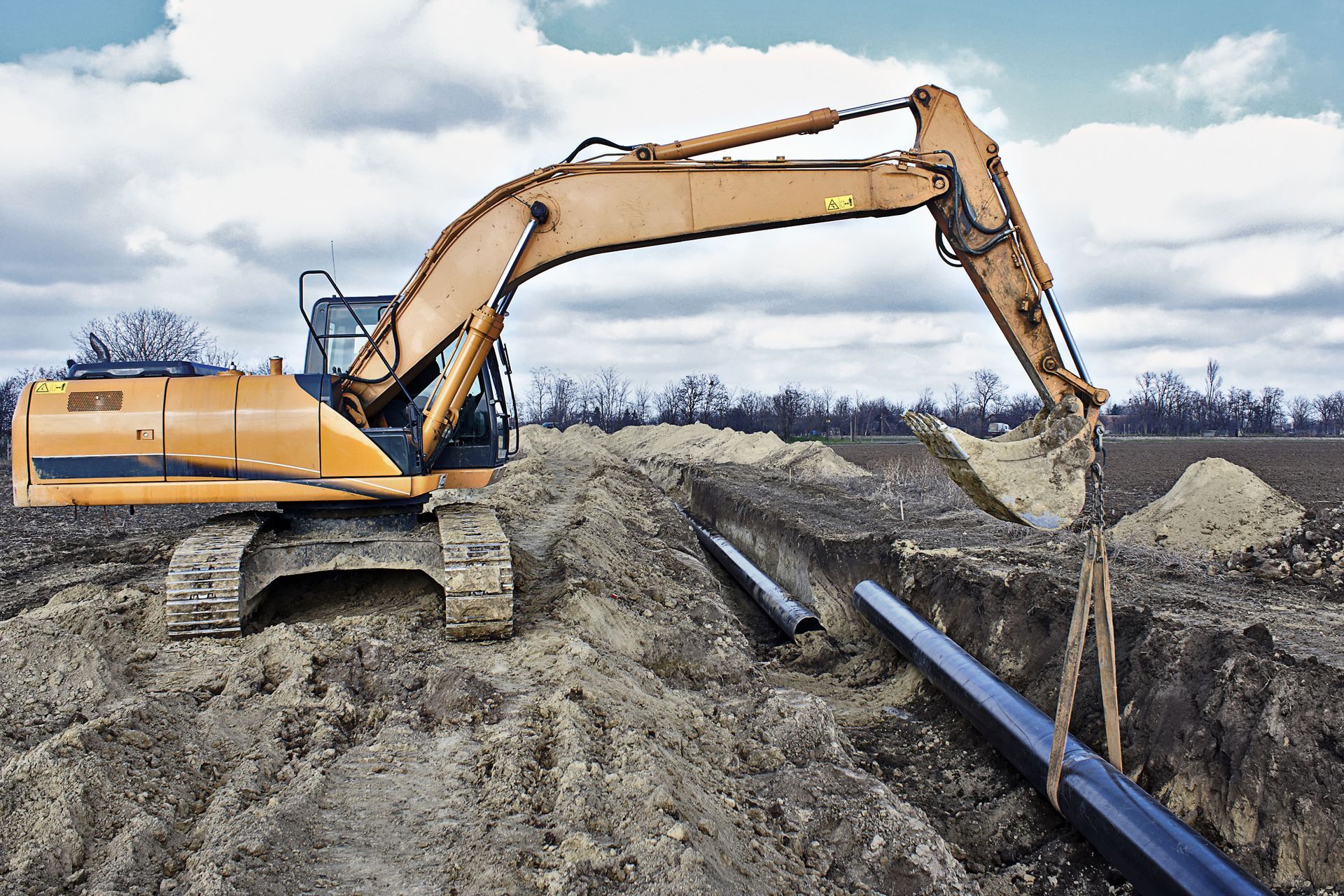
Modern construction often involves multiple utility systems running beneath or near the foundation. An excavating contractor carefully plans and digs trenches for water lines, electrical conduits, and sewer systems. The excavating contractor ensures these elements are properly placed without interfering with the structural base. Coordination at this stage prevents costly adjustments later on. Proper trenching also helps keep utilities organized and accessible, which supports both safety and efficiency throughout the life of the structure. This level of planning also helps reduce the risk of accidental damage to utility lines during later phases of construction. It ultimately contributes to a more organized and efficient build process from start to finish.
6. Rock and Obstruction Removal for Clean Foundation Areas
Not all sites are ready for construction right away, especially when buried rocks or debris are present. An excavating contractor removes these obstacles to create a clean and stable foundation area. The excavating contractor uses specialized tools and equipment to break up or extract materials that could interfere with structural integrity. Clearing the site ensures that the foundation rests on uniform, reliable ground rather than uneven or unstable surfaces. This step is essential for preventing future shifting or cracking in the structure above. It also helps create safer working conditions during the early stages of construction.
7. Foundation Excavation Depth Control and Accuracy
Getting the depth right is critical when preparing for a foundation. An excavating contractor carefully measures and controls excavation depth to match engineering specifications. The excavating contractor ensures that the foundation sits at the correct level for load distribution and environmental conditions. Too shallow, and the structure may be unstable; too deep, and unnecessary complications can arise. Precision at this stage helps align the foundation with the overall structural design and ensures long-term durability. This careful attention to measurement also helps maintain consistency across the entire build site.
8. Environmental Considerations and Soil Preservation
Construction projects must also account for environmental impact and soil conditions. An excavating contractor takes steps to minimize disruption to the surrounding land while preparing the foundation site. The excavating contractor may implement erosion control methods and manage displaced soil responsibly. This helps maintain site stability and reduces the risk of runoff affecting nearby areas. Careful handling of soil and environmental factors supports a more balanced and sustainable construction process. These practices also help preserve the integrity of nearby landscapes throughout the duration of the project.
9. Equipment Selection and Efficient Earthmoving
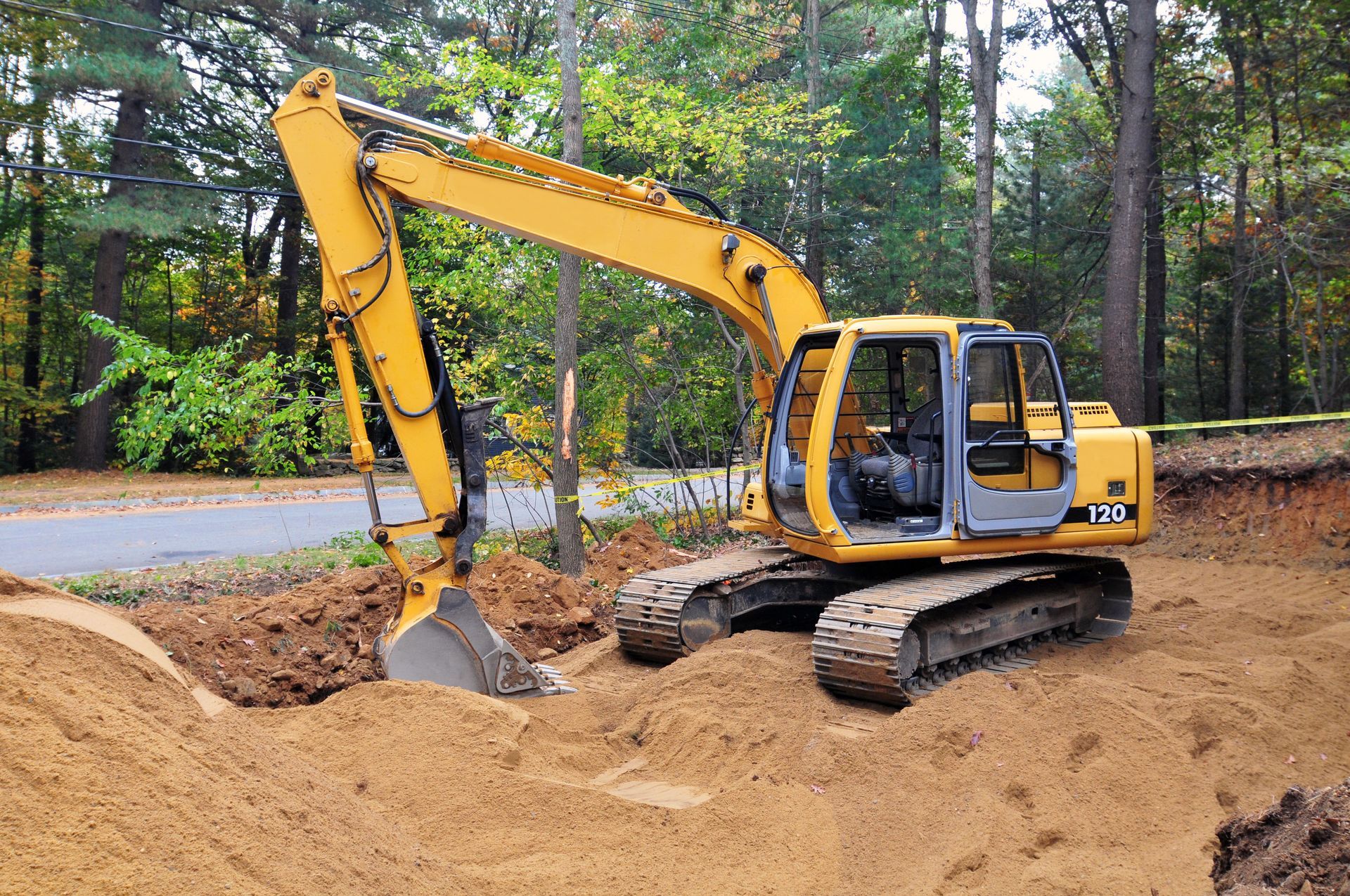
Different sites require different types of machinery to achieve proper excavation results. An excavating contractor selects equipment based on soil type, project size, and site accessibility. The excavating contractor uses this equipment to move earth efficiently while maintaining precision. Proper machinery selection helps speed up the process without sacrificing accuracy or stability. This balance between efficiency and control is essential for preparing a foundation that meets structural expectations.
10. Project Timing and Excavation Scheduling Coordination
Timing plays a major role in foundation preparation, especially when multiple construction phases are involved. An excavating contractor coordinates excavation work with the overall project schedule to ensure smooth progress. The excavating contractor helps avoid delays by planning around weather conditions, material delivery, and site readiness. According to HomeGuide, small excavation projects typically take one to three days, while larger jobs or those involving rocky soil, rock shelves, or boulders may extend beyond three weeks. This variability highlights the importance of proper planning and scheduling to keep construction timelines realistic and efficient.
A strong foundation doesn’t happen by chance—it’s the result of careful planning, precise execution, and experience on the ground. An excavating contractor plays a key role in shaping that foundation from the very beginning, ensuring that every layer of soil, every slope, and every drainage detail is handled with care. The excavating contractor helps create conditions where structures can stand strong for years without unexpected issues developing beneath the surface. When the groundwork is done right, everything built on top of it has a much better chance of lasting and performing the way it should.
For projects that require dependable groundwork and thoughtful site preparation, Emrick Construction LLC provides professional excavation services that support strong, stable foundations from the ground up.
Share On: