
How Excavating Contractors Prepare Your Property for Building
The journey to building a dream home or commercial facility begins long before any bricks are laid. Transforming a raw plot of land into a safe, stable construction site requires heavy machinery and careful planning. According to IBISWorld, the value of the excavation industry in the United States reached a massive $203.1 billion in 2026. This vast economic footprint highlights exactly how crucial these early preparation phases are for successful development. Ultimately, professional excavating contractors serve as the foundational experts who prepare the environment for all upcoming architectural work.
Many property owners underestimate the incredible amount of hidden labor that goes into making land ready for new buildings. Without proper ground preparation, even beautifully designed structures will inevitably succumb to shifting soils, poor drainage, or cracked foundations. Earthmoving professionals carefully evaluate the unique geological composition of your specific site to determine the methods required for optimal stability. By handling these rigorous initial stages, these dedicated crews ensure that subsequent construction phases can proceed without dangerous delays.
Clearing the Site for Initial Progress
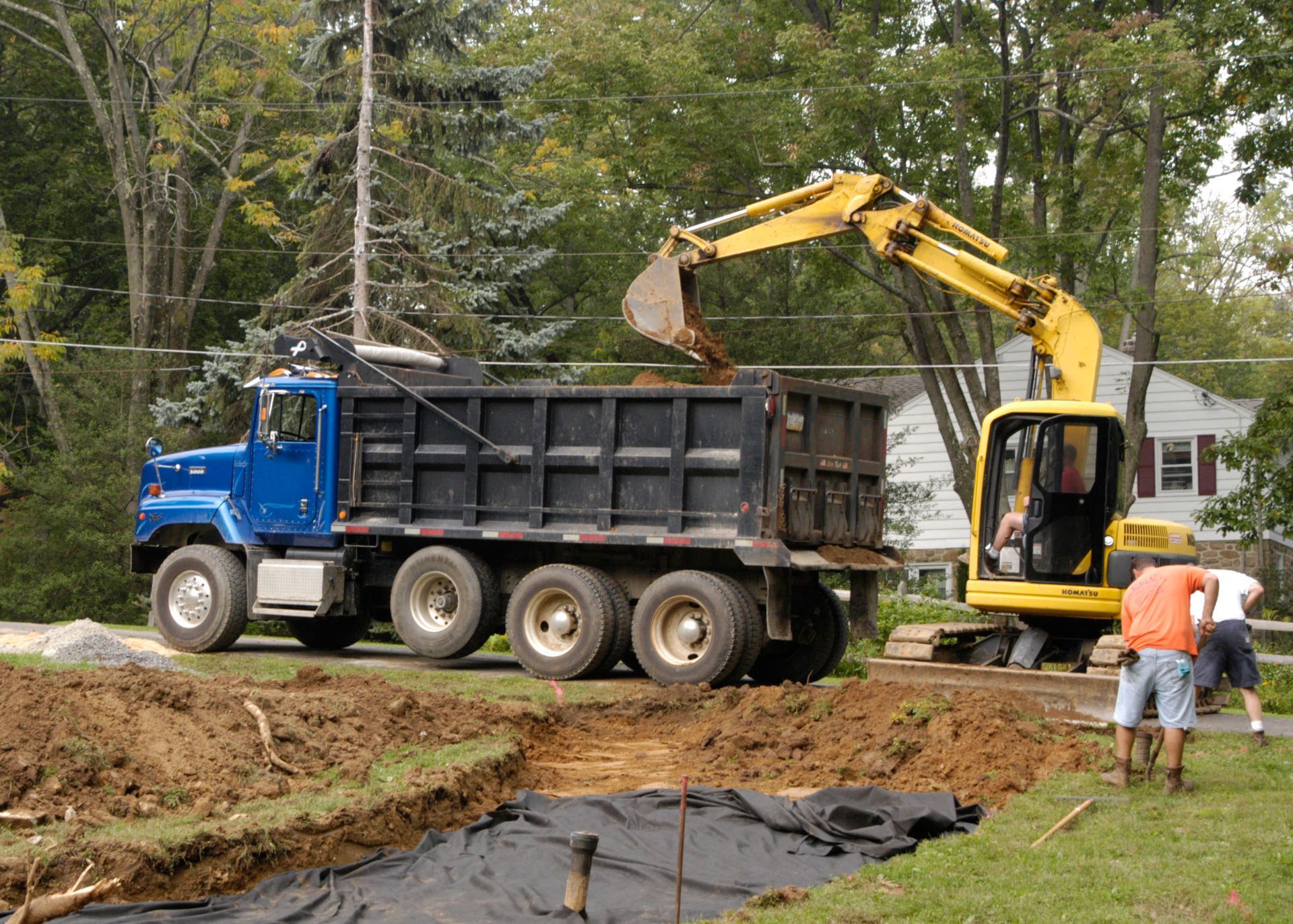
Before any significant digging can commence, the entire project footprint must be completely stripped of all surface-level obstructions. Skilled excavating contractors utilize specialized heavy equipment like bulldozers to systematically remove thick vegetation, dead trees, and boulders. This critical vegetation removal process prevents organic matter from eventually decomposing underneath the future structure, which causes dangerous settlement issues. Furthermore, clearing the land provides the construction team with a pristine, unobstructed blank canvas to accurately map out structural dimensions.
Removing surface obstructions often involves navigating unexpected subterranean challenges, such as sprawling root systems or buried concrete from older structures. Teams must methodically pull out these hidden hazards without causing unnecessary ecological disruption to the surrounding environments. If left unchecked, stubborn tree roots can continue to grow and eventually pierce through fresh concrete foundations or underground utility pipes. By meticulously clearing out every last remnant of debris, earthmoving teams guarantee a perfectly sanitized environment for the next critical phases.
Once the major physical obstacles are hauled away, the topsoil must also be carefully scraped off and responsibly stockpiled. Because topsoil is highly organic and retains significant moisture, it lacks the necessary load-bearing capacity to support heavy buildings. Stripping away this dark, fertile layer exposes the much firmer subsoil beneath, which offers a superior foundation for pouring concrete. The preserved topsoil is frequently saved and redistributed later for final landscaping purposes once the main construction activities are completed.
Grading the Landscape for Proper Drainage
After the land is completely cleared of organic material, the ground must be artificially leveled to manage future water runoff correctly. Without highly precise land grading, heavy rainstorms could send destructive torrents of water directly toward your new building. Experienced excavating contractors utilize advanced laser-guided graders and scrapers to gently slope the earth away from the proposed foundation site. This strategic sloping safely directs all environmental precipitation into designated drainage zones, municipal storm sewers, or natural retention ponds nearby.
Achieving the perfect gradient requires constant measurement, mathematical precision, and an intimate understanding of the region's specific soil hydrology. If a site is naturally too steep, construction crews might need to construct sturdy retaining walls to hold back tons of soil. Conversely, if a lot is entirely flat, they must artificially build up the central elevation pad to guarantee that gravity pulls excess water outward. Flawless grading protects your massive financial investment by preventing the slow destruction caused by stagnant water pooling against concrete walls.
Beyond just managing surface water, the grading process heavily involves compacting the newly shifted dirt to eliminate hidden air pockets beneath the surface. Heavy vibratory rollers drive over the rearranged earth repeatedly, aggressively pressing the soil particles together to maximize density and strength. If this crucial compaction step is skipped, the ground will naturally settle unevenly over the following years, potentially tearing a building apart. Thorough soil stabilization guarantees that the newly sculpted landscape will permanently maintain its shape regardless of future weather extremes.
Digging the Foundation for Structural Integrity
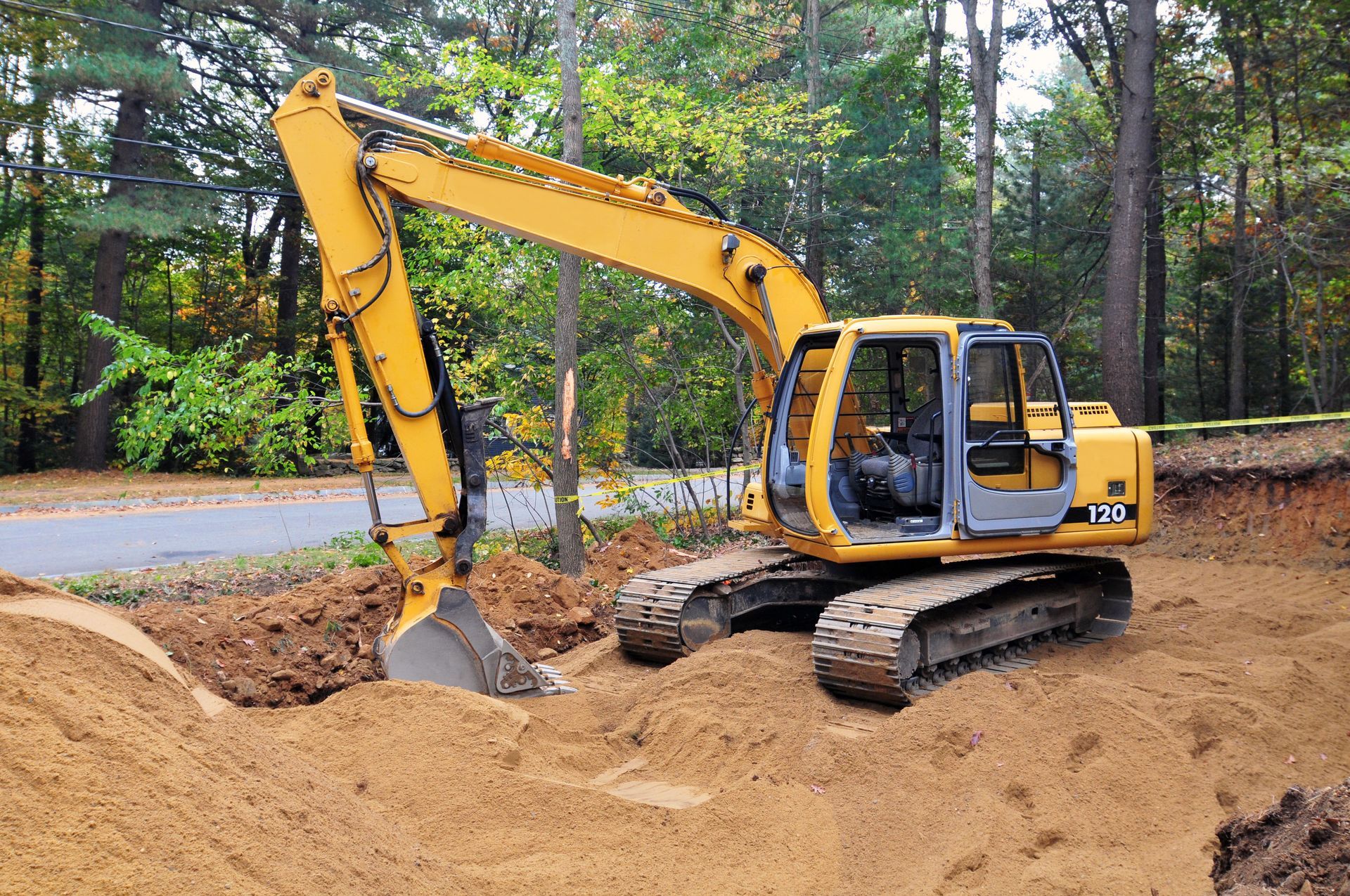
The foundation is undeniably the most important component of any building, and its successful installation relies entirely on perfectly executed earthmoving operations. Professional excavating contractors carve out deep, mathematically precise trenches and large geometric pits based directly on the structural engineer's detailed blueprints. These intricate excavations must perfectly match the exact required dimensions for pouring footings, installing basement walls, or setting up extensive crawl spaces. Digging too deep wastes expensive concrete during the pouring phase, while digging too shallow directly compromises the building's ability to resist frost heaves.
During this intense excavation phase, crews must constantly monitor the vertical trench walls to prevent sudden, catastrophic soil collapses that endanger lives. If the subsoil proves to be excessively sandy or unexpectedly loose, the team might need to implement specialized shoring techniques. Highly trained excavating contractors know exactly how to read subtle changes in dirt composition, allowing them to adapt their digging strategies in real-time. Their unwavering vigilance ensures that the foundational trenches remain completely secure and perfectly shaped until the concrete is finally ready to be poured.
In some complex geographical locations, foundation digging might suddenly intersect with massive underground bedrock or a remarkably high subterranean water table. When solid rock is encountered, standard backhoes become useless, forcing the operators to bring in heavy hydraulic hammers to shatter the obstacle. If groundwater begins seeping into the newly dug trenches, high-powered dewatering pumps must be immediately deployed to keep the massive foundational cavity completely dry. Overcoming these daunting geological surprises is exactly why property developers rely on seasoned earthmoving veterans to prepare their valuable land.
Trenching the Ground for Vital Utilities
Before a new structural foundation is completely finalized and backfilled, the property must be connected to essential municipal services through underground channels. Dependable excavating contractors carefully carve out long, narrow trenches designed specifically to house crucial utility lines like fresh water, natural gas, electricity, and high-speed internet. These specialized utility pathways must be dug to highly specific municipal depths to protect the sensitive pipes and wires from freezing winter temperatures. By coordinating directly with local utility providers, the earthmoving crews ensure that all underground installations strictly adhere to stringent regional building codes.
Utility trenching requires an exceptionally delicate touch because operators must frequently navigate around pre-existing community infrastructure hidden just beneath the street level. Accidentally severing an active municipal water main or an underground electrical grid can result in massive community disruptions and extreme safety hazards. Therefore, diligent excavating contractors rely on ground-penetrating radar and careful hand-digging techniques whenever they operate near known municipal utility intersections. Once the new pipes and conduits are safely placed at the bottom of the trenches, the crews gently backfill the dirt, completing the property's vital connection to the modern world.
Preparing a raw parcel of land for a new building is a highly technical endeavor that requires incredible precision, heavy machinery, and immense geological knowledge. From clearing away stubborn surface debris and expertly grading the slopes to digging complex foundations and utility trenches, every step sets the stage for architectural success. By trusting highly experienced
excavating contractors with this monumental task, property owners can confidently avoid structural failures and disastrous water damage in the future. The quality of the earthwork ultimately determines the long-term safety, durability, and resilience of whatever beautiful structure you choose to build above it.
When you are ready to break ground on your next major building project, we are here to provide the flawless site preparation services you truly deserve. At Emrick Construction LLC, our dedicated team will work tirelessly to ensure your land is perfectly sculpted, stabilized, and primed for immediate structural development. Contact us today to schedule a comprehensive site evaluation and receive a detailed estimate for your upcoming property transformation.
Share On: